ECO CERTIFIED

Products with Documented Low Environmental Footprints

Our products boast low climate footprints and superior environmental performance across most categories.

Low Carbon
Recyclable
Sustainable

Our Strategic Approach

At LANDU, our success is built upon strong partnerships across the entire value chain. We believe that creating lasting impact means going beyond transactional relationships and instead nurturing meaningful, long-term collaborations with both customers and stakeholders.

This allows us to fully understand their needs, challenges, and aspirations — enabling us to co-create solutions that drive authentic sustainable innovation. Our commitment is not simply to comply with existing environmental laws and regulations; rather, it is to consistently exceed those requirements and establish new benchmarks for our industry.

01

Proactive Trend Identification

Identifying emerging trends and investing in advanced technologies to stay ahead of industry standards.

02

Responsible Practices Integration

Integrating responsible practices into every operational stage to safeguard our planet.

03

Excellence in Quality & Safety

Consistently surpassing customer expectations for quality, safety, and environmental integrity.

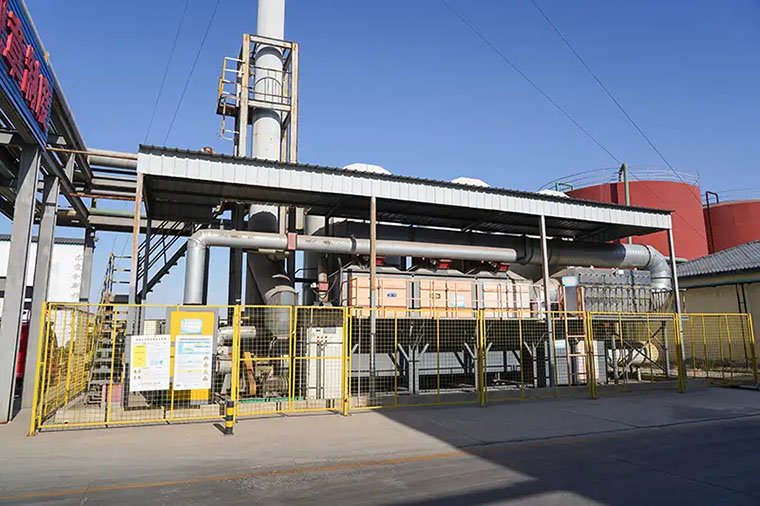
LANDU Industrial Facility Global Environmental Challenges

This strategic approach positions LANDU as a forward-thinking leader, setting higher standards for what is possible in both performance and sustainability.

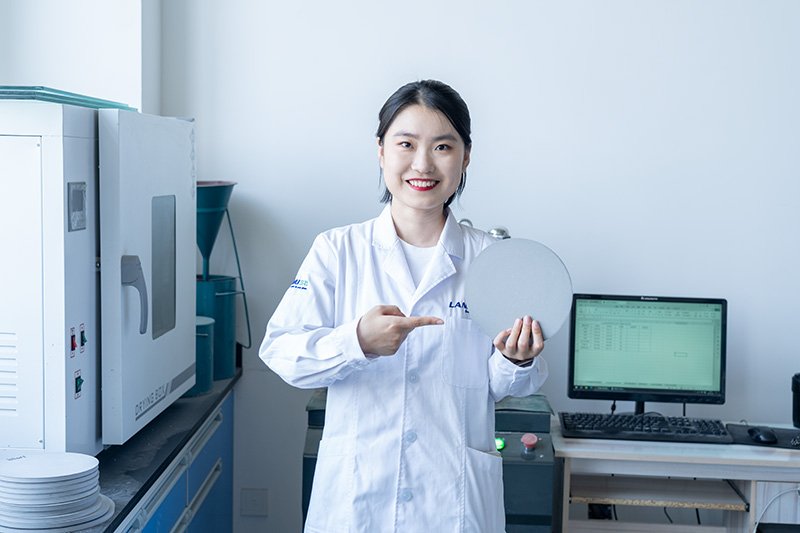
LANDU Testing Equipment Application Testing

Innovating Sustainable Solutions for the Construction Industry

At Landu, our commitment to innovation drives us to develop advanced construction additives from renewable raw materials. By harnessing the power of natural cellulose derivatives—such as cotton pulp and sustainably sourced wood pulp—we create products that enhance the performance and sustainability of construction materials, making them more efficient, durable, and environmentally friendly.

Eco-friendly construction additives that improve insulation, reduce energy consumption, and optimize building performance.

High-performance admixtures that enhance the strength and durability of concrete, ensuring long-lasting structures.

Advanced chemical additives that optimize the workability and flow of concrete, making it easier to process and apply.

At Landu, our innovative additives are helping to create the sustainable buildings of tomorrow, enhancing both environmental and performance standards across the construction industry.

Measurable Impact Through Innovation

Our commitment to sustainable innovation delivers tangible results. Through advanced technologies and responsible practices, we achieve significant reductions in resource consumption while maintaining the highest quality standards.

60-80%
Steam Savings

Significant reduction in steam consumption through MVR technology

90%+
Cooling Water Savings

Dramatic reduction in water usage compared to traditional systems

40-80%
Cost Reduction

Lower operational costs while maintaining superior quality

Zero
Waste Emissions

Complete elimination of waste through closed-loop systems

Advanced Technology

Key Desalination Technology for Zero Discharge

Revolutionizing industrial sustainability through cutting-edge Mechanical Vapor Recompression (MVR) technology — where innovation meets environmental responsibility

As part of our wider company development plan, we adopt a responsible and balanced growth strategy. Central to this is an unwavering adherence to stringent standards — not only in product quality but also in environmental protection, occupational health and safety, and production-related environmental safeguards.

Core Innovation

Mechanical Vapor Recompression (MVR)

One of the technologies at the heart of our zero-discharge initiative is Mechanical Vapor Recompression (MVR), an advanced and energy-efficient evaporation process. In MVR systems, the secondary steam generated by the evaporator is captured and compressed using a steam compressor.

1
Steam Capture

Secondary steam is captured from the evaporator

2
Compression

Steam is compressed to increase temperature

3
Reuse

Compressed steam returns to the system

Operational Excellence

Cost Efficiency

MVR technology decreases running costs by 40–80% compared to traditional multi-effect evaporators, thanks to its ability to repurpose steam that would otherwise be discarded.

Energy Control

Because the system relies primarily on electricity rather than fresh steam input, it allows for greater control over operational expenses while lowering greenhouse gas emissions.

Zero Discharge Facility
Key Advantage #1

Superior Thermal Efficiency

Greatly improved thermal efficiency by recovering the latent heat of vaporization, minimizing energy waste and maximizing resource utilization throughout the entire process.

95% Heat Recovery Rate
Key Advantage #2

Low Temperature Operation

Operates at low temperatures, critical for preserving heat-sensitive materials and maintaining product integrity while ensuring optimal quality standards throughout processing.

40-60°C Operating Range
Environmental Impact

This closed-loop process significantly reduces resource consumption and represents one of the most advanced solutions for sustainable evaporation operations, achieving true zero-discharge standards.

Our Commitment to Excellence

Another pillar of LANDU's strategy is the pursuit of emerging markets undergoing rapid transformation in sustainable development. We actively identify regions and industries where the demand for eco-friendly solutions is accelerating, positioning our portfolio of renewable products to meet these future needs.

Market Innovation

Entering emerging markets early to scale innovations and support customer sustainability objectives

Environmental Compliance

Maintaining full ISO 14000 environmental management compliance through zero waste emissions

Partnership Excellence

Creating lasting impact through meaningful collaborations across the entire value chain

By integrating MVR into our operations, LANDU demonstrates how advanced industrial technology can help reconcile economic efficiency with environmental responsibility, achieving measurable progress toward our long-term net-zero ambitions.